Struggling to find safe, suitable, high physical support SDA housing that matches your needs? Standard homes often fall short, risk your health, and daily comfort as an NDIS participant with extreme functional impairments.
That’s where high physical support from SDA houses comes in, as it targets NDIS participants under 65 with very high support needs. It includes profound mobility or sensory challenges that require daily assistance. Thus, you must check your eligibility criteria and what they include, as only 6% of candidates qualify.
What is the SDA Eligibility Criteria?
The National Disability Insurance Scheme (NDIS) has designed an SDA eligibility criterion, which is as follows:

NDIS Participation
All the candidates need to be active participants in the NDIS with their upgraded current plan. This is the basic requirement to access any NDIS-funded supports, such as SDA housing. The NDIS plan must identify housing as a related support area and show how your disability affects your housing needs.
Severe Mobility Impairment
Severe mobility issues qualify you if you need full assistance with moving, such as using hoists or wheelchairs daily. Every day, homes can’t safely manage this without special designs such as reinforced ceilings and wide doorways. Prove it through allied health reports for NDIS approval.
Neuromuscular Disorders
The SDA eligibility criteria include conditions such as muscular dystrophy or spinal muscular atrophy that cause severe weakness and require support. These disorders demand 24/7 assistance for tasks like eating or transfers. SDA ensures housing features adjustable beds and easy-access kitchens.
Degenerative Conditions
Progressive issues such as motor neurone disease or multiple sclerosis qualify as they worsen over time. You need proof that future-proof housing prevents risks and boosts quality of life. NDIS checks if SDA is reasonable and necessary for your goals.
Reasonable and Necessary SDA Funding
High physical support SDA funding requires evidence that it’s cost-effective and vital for work, social life, or independence. Your plan must show better outcomes than standard housing, with no cheaper options. A functional housing assessment from allied health experts helps prove your case to the NDIS.
What is Included in High Physical Support SDA Design?
NDIS provides specific design requirements for SDA housing that primarily focus on improving accessibility and safety for participants with high support needs. It also sets SDA’s high physical support requirements, as outlined below.
Hoist-Ready Bedrooms
High physical support SDA housing includes bedrooms with reinforced ceilings that can support heavy ceiling track hoists for safe transfers. Walls need extra strength to support the hoist track without damage during use. These setups allow full resistance for bed mobility without putting a burden on carers. Power outlets are positioned near beds for hoist controls and medical gear.
Wider Door Openings
Doors require at least 900mm clear width to fit wheelchairs, hoists, and carers side-by-side. Moreover, the door frames are made of durable materials to withstand frequent high traffic.
Hence, they provide ample room for movement without the risk of injury, such as tight squeezes and stuck equipment.
Window Cabling for Automated Blinds
Pre-wired conduits run from windows to a central hub for motorised blind controls. Cabling supports low-voltage systems that link to smart home apps or voice commands. Outlets are placed at reachable heights for easy access from beds or chairs. It minimises physical effort for privacy and light control.
Built-in Communication Systems
Complex disability housing contains hard-wired nurse call buttons fitted in bathrooms, living areas, and bedrooms for instant carer alerts. Intercoms connect all high physical-support SDA rooms to a main panel with two-way audio. Systems integrate with alarms for falls or emergencies, and they run during power cuts with the help of battery backups.
Pre-Installed Cabling for Future Automation
Homes include cabling for future smart technology installations and allow upgrades as new technologies emerge. Cabling complies with the NDIS’s extreme functional impairment standards to avoid retrofit damage later. It prepares homes for advancing needs without major works.
How to Determine Your Eligibility for High Physical Support SDA?
It is important to meet the SDA eligibility criteria to determine whether you are eligible for support. Here are some guidelines to determine your eligibility criteria for high physical support SDA housing:
Discuss with Your NDIS Partner
During NDIS planning, discuss your housing struggles and high support needs. Explain how standard homes fail your mobility or care requirements and how specialised accommodation can solve your daily minor issues. Your planner can note SDA funding approval pathways and start working on it.
Take an NDIA SDA Assessment
Book a formal assessment through the NDIA with allied health experts like occupational therapists who follow the NDIA SDA assessment requirements. They evaluate your functional impairments and housing risks in detail. This report proves whether purpose-built features are essential for safety.
Submit Supporting Evidence
Gather your medical reports, therapist notes, and daily recorded video proofs that show how your home is unable to fulfill your basic needs. Highlight conditions such as neuromuscular issues or severe mobility limitations. Strong evidence strengthens your case for High Physical Support SDA.
Fill and Submit the Right Forms
Complete the official NDIS high physical support SDA Enrolment Application and attach all your assessments. Lodge it via the NDIS portal or planner so their team can review it. Afterwards, track your progress and respond promptly to any requests for more details.
Common Misconceptions About the SDA Eligibility Criteria
It is essential to understand the common misconceptions about the SDA eligibility criteria to avoid confusion or disappointment. Here are some major common misconceptions about the high physical support SDA eligibility criteria:
SDA Is the Same as Supported Independent Living (SIL)
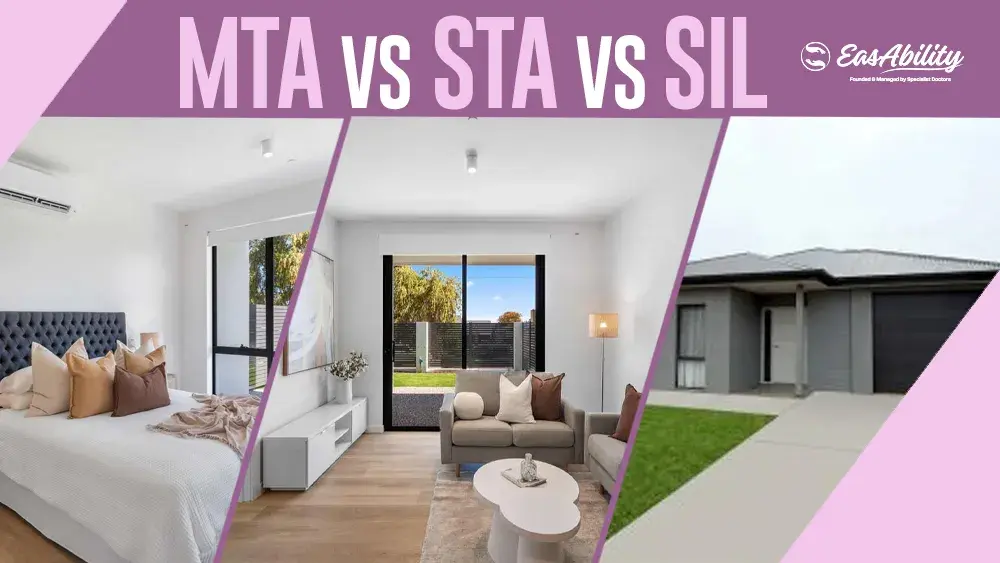
SDA is not the same as Supported Independent Living (SIL) since it is only for individuals with higher support needs. SIL, on the other hand, covers staff support for daily tasks in any living space. They often work together on plans, but confusing them delays approvals and funding. Always check both and understand them in your NDIS review.
Children and Young People Can’t Get SDA
Young people under 18 can qualify for SDA if strict functional tests show extreme needs. Age does not count if the evidence from therapists carries the weight. Families benefit from early assessments to secure suitable homes, and these assessments open doors for growing kids.
SDA Is Only for Severe Physical Disabilities
SDA supports high needs from vision loss, hearing issues, or cognitive challenges, too, not just mobility. Any type of impairment needing daily full assistance fits the criteria with solid proof. Disability type matters less than proven housing risks, and broad access helps different participants live a better life.
SDA Guarantees Independence
Specialist homes improve access and cut risks, but carers remain essential for transfers or personal care. Total solo living rarely happens without extra SIL funding. High physical support SDA housing boosts goals like community outings or jobs, but it also depends on the individuals themselves.
Conclusion
High Physical Support SDA housing revolutionises daily life for NDIS participants with extreme functional needs, delivering safe, accessible homes that foster independence and dignity. From hoist-ready designs and smart cabling to detailed eligibility checks, it tackles common myths and ensures funding goes where it’s required.
For those in Adelaide looking for customised high physical support options, EasaAbility shines as a reliable SDA provider. Their person-centred homes in the centre of the city, caring team, and full support help you flourish. Reach out to EasAbility now to check eligibility and claim a space built for your wellbeing.
FAQs
What is the high physical support SDA Housing offered by EasAbility?
High physical support SDA housing provides NDIS-funded housing in Adelaide with extensive accessibility features like reinforced structures for hoists and fully accessible bathrooms. They are designed for participants with extreme physical impairments and high daily support needs.
What makes the SDA houses approach unique?
SDA houses emphasise person-centred care with compassionate, trained staff and customised housing solutions tailored to individual goals.
How does EasAbility support residents beyond housing?
EasAbility provides daily living support, capacity building, and community engagement to empower residents toward greater independence and connection.
Where are the SDA homes for high physical support usually located?
These homes are often built in well-connected areas close to hospitals, therapy centres, and public transport for better community access and convenience.
How can someone apply for SDA housing with high physical support needs?
You can start by speaking with your NDIS planner or support coordinator, who can help determine your eligibility and guide you through the SDA funding and housing selection process.
EasAbility Care – General Information Disclaimer
The information provided on this page is for general informational purposes only and does not constitute professional, legal, or NDIS advice. While reasonable efforts are made to ensure accuracy, EasAbility Care makes no representations or warranties regarding the completeness, reliability, or suitability of the information.
Please note:
- EasAbility Care supports NDIS participants by assisting them to explore suitable accommodation options and other disability supports.
- EasAbility Care provides SIL services, community participation, and other NDIS-related supports.
- EasAbility Care may not own, manage, or directly provide Specialist Disability Accommodation (SDA) housing and usually works with registered SDA providers to help identify appropriate options.
- Eligibility for SDA and related supports is determined solely by the National Disability Insurance Agency (NDIA).
- Users should seek independent advice from the NDIA, Support Coordinators, or other qualified professionals before making decisions based on this information.
To the maximum extent permitted by law, EasAbility Care accepts no liability for any loss or damage arising from reliance on the information contained on this website. This disclaimer may be updated at any time without notice.