People who experience severe physical disabilities need more than just a place to live because their housing situation affects their safety, ability to live independently, and their health throughout their lives.
The design of standard homes creates multiple obstacles, beginning with narrow hallways and extending to bathrooms that people cannot access, making all activities that require more than basic effort and are hazardous to execute challenging.
The NDIS Specialist Disability Accommodation (SDA) program provides dedicated housing facilities that the NDIS created to meet the needs of people with severe support needs due to permanent disabilities.
EasAbility offers High Physical Support SDA homes in Adelaide, which combine accessible structures with assistive technology and safe architectural elements to create spaces that meet the complex physical care requirements of their users.
What Is High Physical Support SDA?
Specialist Disability Accommodation (SDA) is housing funded under the National Disability Insurance Scheme (NDIS) for participants with extreme functional impairment or very high support needs.
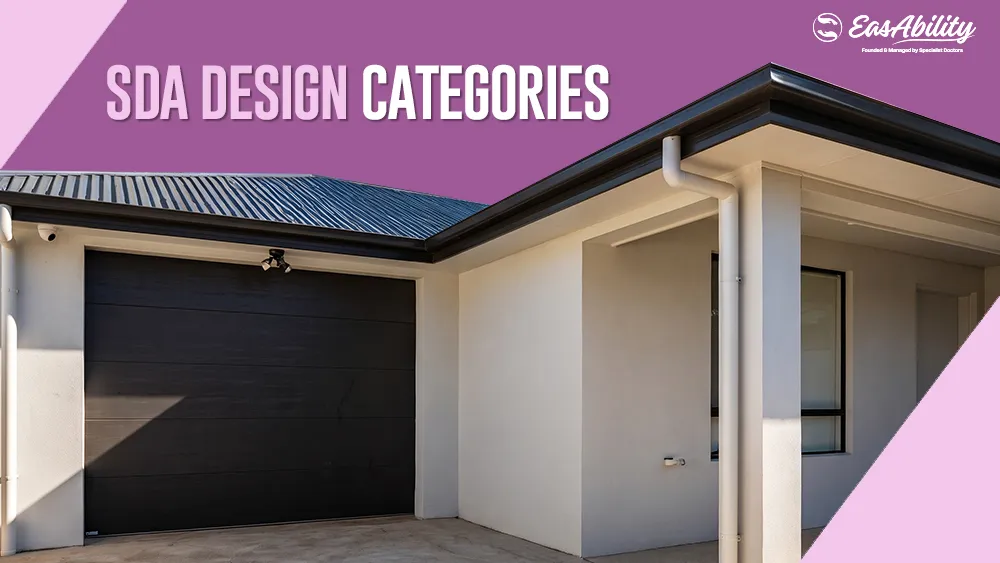
The NDIS recognises four SDA design categories:
- Improved Liveability
- Fully Accessible
- Robust Support
- High Physical Support
The High Physical Support category provides complete assistance through its various components. The system needs to include wheelchair-accessible design elements, emergency backup systems, assistive technology infrastructure, and reinforced structures.
Why Housing Design Matters for High Physical Support Needs
Daily Risks in Unsuitable Housing
Standard homes are rarely built for complex mobility needs. Narrow doorways, small bathrooms, stairs, and low ceilings are among the design limitations. All these limitations may lead to accidents and injuries to the resident and the support staff.
In addition, the limitations may affect wheelchair use.
Impact on Dignity and Independence
When a home is not accessible to equipment and support devices, the individual is more dependent on others to manage everyday living. Accessible design supports privacy, smoother daily routines, and greater personal control within the home environment.
Why Structural Design Matters More Than Staff Presence Alone
Support workers provide essential care, but housing design determines how safely and efficiently that care can be delivered. Without proper space, reinforcement, and layout planning, assistance becomes physically demanding.
Structural readiness reduces risk and ensures long-term suitability.
Key Design Features in High Physical Support Homes
High Physical Support homes are built to meet strict compliance standards that prioritise safe movement and the integration of equipment.
Step-Free Access
Level entrances and internal transitions allow uninterrupted wheelchair movement.
Wide Circulation Spaces
Doorways, hallways, and living areas provide adequate turning radius for powered mobility devices.
Reinforced Ceilings for Hoists
Structural reinforcement allows safe installation and operation of ceiling-mounted hoist systems.
Assistive Technology Readiness
Electrical and communication infrastructure supports environmental controls and medical devices.
Emergency Call Systems
Integrated systems enable residents to quickly alert support personnel when assistance is required.
Accessible Bathrooms
Open-plan layouts, roll-in showers, and appropriate grab supports allow safer transfers and personal care.
How EasAbility Delivers High Physical Support SDA in Adelaide
Location Advantages
EasAbility provides High Physical Support Specialist Disability Accommodation (SDA) homes in accessible Adelaide suburbs close to hospitals, allied health, and public transport.
Technology Integration
EasAbility homes have been designed to meet residents’ needs by integrating technology, allowing them to control their environment.
Coordination with Support Services
EasAbility assists participants, support coordinators, and Supported Independent Living (SIL) service providers in meeting individuals’ needs in their homes.
Focus on Long-Term Suitability
Homes are developed to accommodate current needs while allowing flexibility if mobility requirements change over time.
Eligibility and Funding Through the NDIS
Who Qualifies
SDA funding is available to NDIS participants who have extreme functional impairment or very high support needs and require specialised housing to maintain safety and function.
Assessment Process
Eligibility requires supporting documentation, including functional assessments and allied health reports. The NDIS reviews this evidence before including Specialist Disability Accommodation (SDA) funding in a participant’s plan.
SDA vs SIL Clarification
SDA funds the physical dwelling. Supported Independent Living (SIL) funds personal care and daily assistance delivered within the home. They are separate supports under the NDIS.
How to Choose the Right SDA Provider in Adelaide
Selecting a Specialist Disability Accommodation (SDA) provider involves evaluating both property standards and service coordination.
What to Evaluate
- Compliance with High Physical Support design standards
- Property layout and equipment compatibility
- Location and service access
- Coordination with support providers
Questions Families Should Ask
- Does the property support the required mobility equipment?
- Is overnight assistance feasible within the layout?
- What structural features are included?
- How are maintenance and modifications managed?
Personalised Support Environments
EasAbility builds homes that suit personal equipment, mobility devices, and customised support needs. This flexibility allows participants to shape their living arrangements according to their comfort, preferences, and clinical requirements.
Transition Process
After Specialist Disability Accommodation (SDA) approval, participants review available properties, confirm compatibility with their support team, finalize agreements, and coordinate the move-in schedule.
How to Get Started with EasAbility
1: Book a Consultation
The first step is a consultation to review your support requirements, and preferred locations in Adelaide. This discussion helps determine whether a High Physical Support property aligns with your current and future needs.
2: View Available SDA Properties
Individuals and families can schedule a physical inspection or seek specific information about the properties. By viewing the properties’ layout and the area around them, one is assured that the home is accessible for the equipment and support needed.
3: Plan the Transition
After the property has been selected, EasAbility will work alongside the support coordinators and providers to ensure agreements and compatibility before the move-in process. This proper planning will ensure a well-structured and predictable process.
A Practical Solution for Complex Physical Needs
The housing situation of people with complex physical support requirements plays a central role in determining their safety, ability to function independently, and capacity to maintain well-being throughout their lives.
High Physical Support SDA creates an environment that removes obstacles and minimizes hazards, enabling efficient delivery of essential daily assistance.
By concentrating on meeting the requirements of accessible and supportive design standards, EasAbility provides High Physical Support Specialist Disability Accommodation (SDA) housing in Adelaide that meets complex movement and equipment support needs.
For people and families, selecting the right housing is not just about accessibility, but also about ensuring that the house is equipped to meet future support needs.
Take the Next Step
If you or someone you care about is considering High Physical Support SDA in Adelaide, making initial contact with EasAbility to discuss the process could prove valuable.
FAQs
Who is eligible for SDA funding?
SDA funding supports NDIS participants who have extreme functional impairment or very high support needs. Eligibility requires detailed assessments that demonstrate the need for specialist housing.
What does High Physical Support SDA include?
High Physical Support SDA includes step-free access, ceiling hoist capability, widened doorways, smart-home systems, reinforced bathrooms, and emergency communication systems. These features support individuals who rely on mobility aids or continuous assistance.
Is SDA the same as Supported Independent Living (SIL)?
No. SDA refers to the physical home, while Supported Independent Living (SIL) relates to the daily support services a participant receives. Both can be funded together, but they are separate NDIS supports.
Can I choose where my SDA home is located?
Yes. Once you receive SDA funding, you can choose a location that suits your needs. Providers like EasAbility offer SDA homes in convenient Adelaide suburbs.
Do SDA homes look like hospitals?
No. Modern SDA homes are designed to feel warm, comfortable, and residential rather than clinical. The goal is to enhance independence and quality of life while providing built-in supports seamlessly integrated into everyday life.
How much does SDA cost for participants?
NDIS participants typically pay a reasonable rent contribution, capped and regulated. The primary cost of the SDA property itself is funded through the NDIS, not directly by the participant.
Can I move into an SDA property without SDA funding?
Generally, no. You need SDA funding included in your NDIS plan to access a registered SDA home. Providers like EasAbility typically require proof of SDA eligibility before confirming placement in a High Physical Support property.
How long does it take to move into an SDA property?
The timeline varies depending on NDIS approvals, housing availability, and your personal readiness. Once funding is approved and a suitable home is selected, the move-in process can be relatively quick.

EasAbility Care – General Information Disclaimer
The information provided on this page is for general informational purposes only and does not constitute professional, legal, or NDIS advice. While reasonable efforts are made to ensure accuracy, EasAbility Care makes no representations or warranties regarding the completeness, reliability, or suitability of the information.
Please note:
- EasAbility Care supports NDIS participants by assisting them to explore suitable accommodation options and other disability supports.
- EasAbility Care provides SIL services, community participation and other NDIS-related supports.
- EasAbility Care may not own, manage, or directly provide Specialist Disability Accommodation (SDA) housing and usually works with registered SDA providers to help identify appropriate options.
- Eligibility for SDA and related supports is determined solely by the National Disability Insurance Agency (NDIA).
- Users should seek independent advice from the NDIA, Support Coordinators, or other qualified professionals before making decisions based on this information.
To the maximum extent permitted by law, EasAbility Care accepts no liability for any loss or damage arising from reliance on the information contained on this website. This disclaimer may be updated at any time without notice.