SDA Home Doesn't Suit My Disability Needs | EasAbility

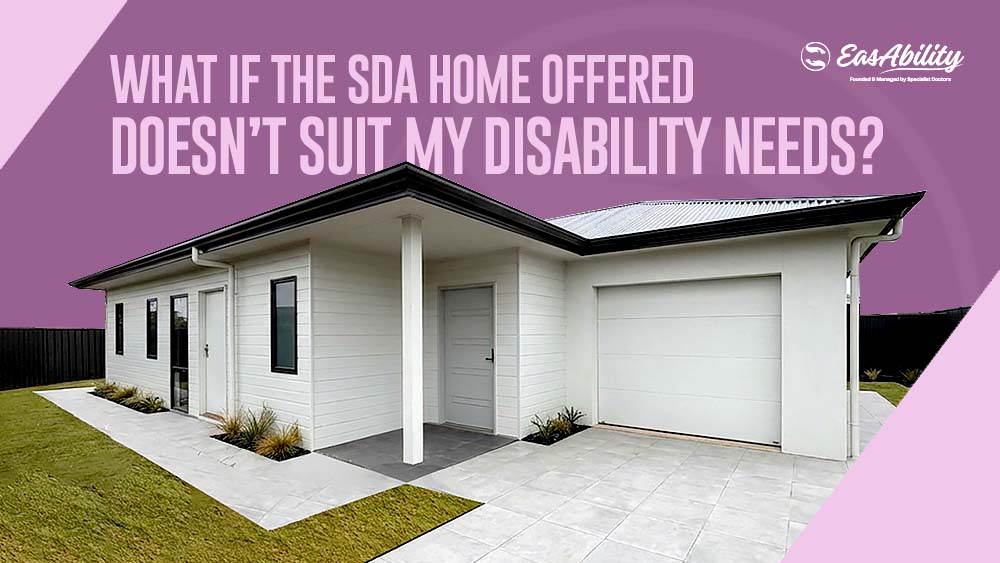
What If the SDA Home Offered Doesn’t Suit My Disability Needs?

SDA Home in Adelaide
What If the SDA Home Offered Doesn’t Suit My Disability Needs?

Are you someone who is being offered an SDA home but feeling it’s not quite what you need? Receiving an SDA home offer represents a significant achievement. The majority of people see it as a way to attain independence and find a stable home that meets their personal needs. 

The situation becomes problematic when the individual’s disability requirements must be met through a different home solution. It actually occurs more frequently than people believe. You must find a house that meets your needs rather than accept one that does not. 

The NDIS (National Disability Insurance Scheme) SDA regulations require housing to provide complete functional and supportive capabilities, together with mandatory design requirements. NDIS provides homes that enable participants to achieve their independence while maintaining their safety and accomplishing their daily activities. 

SDA housing exists to help you achieve your goals rather than restrict your progress. You have full authority to declare that SDA smart homes fail to satisfy your requirements for physical needs, sensory needs, and daily living activities.

What is SDA (Specialist Disability Accommodation)?

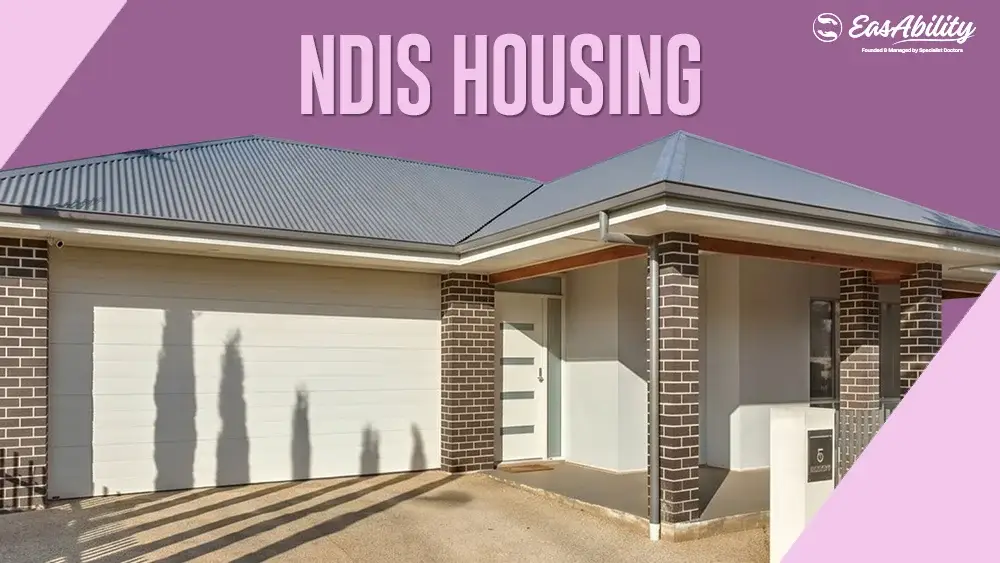
Specialist Disability Accommodation (SDA) is a type of housing provided under the NDIS scheme. This type of housing is specifically designed for people who have very high support needs.

SDA homes are specially designed and built to ensure accessibility and safety. They feature wide door openings and accessible bathrooms.

Specialist Disability Accommodation is categorized into different types depending on the participant’s needs, including:

  • High physical support homes for participants requiring significant daily assistance.
  • Fully accessible homes for those with mobility or wheelchair needs.
  • Robust or modified homes designed for participants with behavioral or cognitive support requirements.

Understanding these types helps participants and their support teams identify which homes are technically suitable before assessing whether they meet daily living needs.

An SDA Home Should Fit Your Needs

Every person requires unique support because their disabilities differ. Two individuals with identical diagnoses will require distinct housing requirements. Some SDA homes appear to meet requirements on paper, yet their actual design fails to support normal everyday activities within the building.

The layout of the space prevents safe movement, the bathroom facilities fail to provide adequate personal care assistance, and the bedroom lacks the necessary equipment for your essential needs. 

The technology in SDA smart homes provides users with interfaces that create confusion and demonstrate unreliable performance while failing to match their environmental interaction needs. 

A home can meet technical SDA design standards and still not be right for you. That does not make you difficult. It means the match is wrong.

What to Do if SDA Homes Do Not Suit You

If you feel unsure about a home that has been offered, trust that instinct. You don’t need to live in a space that doesn’t suit you. Here’s how you can start making changes if an SDA home doesn’t suit you:

1: Talk to Your Support Coordinator

Let your support coordinator know what is not actually working for you in an SDA home. Whether it is about the agreement, amenities, location, or anything else, you have the right to look for alternatives that suit your needs and requirements. 

2: Use EasAbility's Free SDA Eligibility Tool

You are not finding the SDA home suitable for you because it may not meet your special needs. Don’t worry; EasAbility offers a free SDA eligibility tool to accurately assess your needs. 

With our eligibility tool or assessment, you can check for:

  • Right category of SDA homes
  • If you are eligible for a more appropriate or high-level funding
  • Clear steps about what to do next with your SDA housing needs

Here’s the SDA eligibility checklist:

  • Are you aged between 9 and 65?
  • Are you a permanent citizen of Australia or a protected special category visa holder?
  • Are you living in Australia?
  • Do you have a disability caused by permanent impairment?
  • Do you need disability-specific support to do your chores?
  • Do you need support for now to avoid long-term support in the future?
  • Does your family need help right now to learn how to better support you?

3: Explore News SDA Housing Options

Under the NDIS, there are multiple housing schemes and options available for people with disabilities across Australia. You can look for:

  • Secure homes with a high level of nursing 24/7
  • Spacious villas and houses in suburban areas
  • Apartments with all modern facilities & amenities in urban areas

4: Review And Upgrade Your SDA House

After exploring the available options and communicating with your coordinator, you might be eligible for a different or high-level support funding from NDIS. When you choose EasAbility for your SDA reviewing and upgrading, we can help you to:

  • Understand your budget for SDA and available funding from NDIS
  • Better assessment and support with appropriate reports
  • Advocate for the NDIS funding you need for your SDA home

How EasAbility Approaches SDA Housing

At EasAbility, the focus is on special people’s needs, not properties. EasAbility understands that SDA housing is not just about meeting design categories, but about how a person actually lives day to day.

Rather than pushing a participant into an unsuitable home, EasAbility takes the time to understand:

  • Personal routines
  • Mobility needs
  • Sensory preferences
  • Support arrangements
  • Future goals

This approach helps ensure that the home supports independence, safety, and comfort in real life, not just on a checklist.

EasAbility also understands that needs can change. If a home stops working for you, support should continue while you explore better options. Good SDA support does not end once the lease is signed.

Conclusion

If the SDA home offered to you does not meet your disability needs, you do not have to accept it. SDA housing is meant to keep you safe and help you live more independently, so it is important to find the right home for you.

Take your time. Ask questions, seek advice, and consider other options. With the support of an SDA provider that listens to you, such as EasAbility, you can find a home that truly suits your needs.

A suitable home should support the way you live, today and into the future. Independent advocacy services and the NDIS complaints process are available if no suitable option is found. 

If you need guidance or want to explore better-matched SDA housing, contact EasAbility to discuss your needs and available options.

FAQs

What if the SDA house offered doesn’t meet my needs?

You can request changes, ask questions, or explore other SDA housing options. Your support coordinator or allied health professional can assist.

Can I refuse an SDA home offer?

Yes. You have the right to reject any house that fails to meet your basic needs and personal objectives.

How can I determine whether an SDA smart home meets my requirements?

You should assess the technology by testing its user-friendliness and capacity to support your daily activities, and its suitability for your personal capabilities. You should request a demonstration before committing.

Are there other SDA homes available now?

Yes. Australia has a wide range of SDA homes specifically designed for the needs and requirements. So, the person who needs support can choose one or request an upgrade in an SDA home, depending on their needs and special requirements.

What if my needs change after moving in?

Contact your SDA Organization. They can review your support plan and help you adjust or find a more suitable home.

How does EasAbility help with SDA housing?

EasAbility focuses on matching homes to your real-life needs, listening to your concerns, and supporting changes when a home does not meet your needs.

Who can help me advocate if an SDA home isn’t suitable?

Your support coordinator, occupational therapist, EasAbility, or the SDA Organization can assist in finding the right solution.

EasAbility Care – General Information Disclaimer

The information provided on this page is for general informational purposes only and does not constitute professional, legal, or NDIS advice. While reasonable efforts are made to ensure accuracy, EasAbility Care makes no representations or warranties regarding the completeness, reliability, or suitability of the information.

Please note:

  • EasAbility Care supports NDIS participants by assisting them to explore suitable accommodation options and other disability supports.
  • ⁠EasAbility Care provides SIL services, community participation and other NDIS-related supports. 
  • EasAbility Care may not own, manage, or directly provide Specialist Disability Accommodation (SDA) housing and usually works with registered SDA providers to help identify appropriate options.
  • Eligibility for SDA and related supports is determined solely by the National Disability Insurance Agency (NDIA).
  • Users should seek independent advice from the NDIA, Support Coordinators, or other qualified professionals before making decisions based on this information.

To the maximum extent permitted by law, EasAbility Care accepts no liability for any loss or damage arising from reliance on the information contained on this website. This disclaimer may be updated at any time without notice.

Have Questions About NDIS Support?
Get expert answers about our Adelaide NDIS services. Our support team is ready to help you understand your options and start your journey.

Most Recent Article To Read