
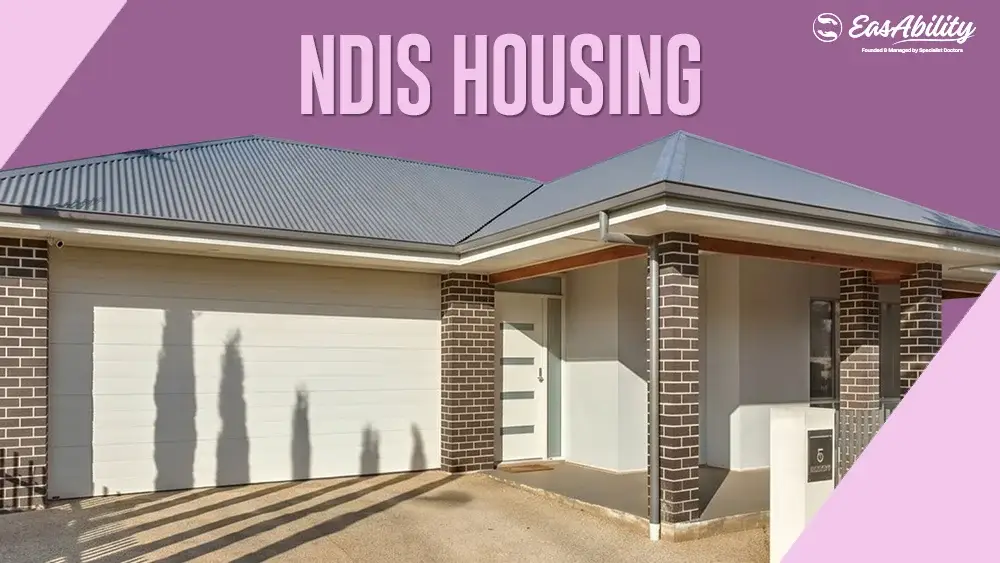
Finding safe, accessible, and supportive accommodation is an important part of improving independence and quality of life for people living with disability. The National Disability Insurance Scheme (NDIS) is available to eligible participants Australia-wide to assist them with services, including a variety of housing and support services to help them achieve their goals and meet their daily needs.
Understanding how NDIS housing works, what support options are available, and how capacity building and NDIS funding can help participants to achieve greater independence allows individuals and families to navigate the NDIS system more easily.
For many Australians, disability housing is about more than just somewhere to live. It is also about improving everyday living skills, increasing community participation, and promoting long-term independence through personalised care and evidence-based support services.

The housing and supports are designed to help eligible participants to live as independently as possible and receive the right support, based on their individual circumstances and goals:
What’s NDIS Housing?
NDIS housing, housing, and housing-related supports are available to eligible NDIS participants. These supports are provided to enable people with disability who need specialised housing solutions or additional support to live safely and comfortably.
Housing support under the NDIS can include:
- Specialist Disability Housing (SDA Housing)
- Home modification
- Help with tenancy and everyday living
- Housing transition assistance
The type of housing support a participant receives is determined by their disability, functional needs, personal goals, and clinical assessments.
It is important to know that the NDIS does not generally cover everyday living expenses like food, rent, or utility bills unless they are directly related to disability support needs.
What are NDIS Houses and Accommodation Options?
Many participants and families look for information on NDIS houses as appropriate accommodation can greatly improve independence, safety, and quality of life.
Which NDIS housing options can be accessed depends on the level of support you require.
Specialist Disability Accommodation (SDA)
SDA stands for specialist-designed accommodation for participants with very high support needs or extreme functional impairment. These homes may have accessibility features, including:
| SDA Features | Purpose |
|---|---|
| Wheelchair accessibility | Improved mobility and safety |
| Assistive technology integration | Increased independence |
| Modified bathrooms and kitchens | Easier daily functioning |
| High physical support design | Enhanced care accessibility |
SDA funding is available only to eligible participants and is subject to a formal assessment and approval.
Supported Independent Living (SIL)
Supported Independent Living provides daily support to participants living in independent or shared accommodation.
SIL support may include:
- Assistance with personal care
- Meal preparation assistance
- Reminder of medication
- Assistance with household chores
- Support for community involvement
Support levels are determined by individual needs and goals.
Adelaide NDIS Housing – Increasing Need for Accessible Accommodation
With the increasing demand for disability housing Adelaide services, there is a growing need for accessible and disability-friendly accommodation options for more South Australians.
A significant number of individuals seeking NDIS housing providers Adelaide are looking for greater independence in their homes, while still having access to personalised care services when needed.
Adelaide accommodation providers may offer:
- Supported shared accommodation
- Homes approved by SDA
- Transitional housing assistance
- Living alone
- Medium and short-term accommodation
The housing options are dependent on the location, the eligibility of participants, and the need for support.
When selecting NDIS housing provider Adelaide services, participants are advised to look at aspects such as:
- Features for accessibility
- Availability of assistance
- Site and transport links
- Compatible with housemates
- Clinical appropriateness
- Safety and supervision requirements
Your healthcare providers and support coordinators can help participants find the right accommodation pathways based on their NDIS plans.
What is Capacity Building NDIS
One of the most important areas of participant funding is the capacity building of NDIS support.
Many families ask What is capacity building NDIS? In simple words, Capacity Building supports are to help participants develop skills, confidence, and independence to achieve long-term goals and improve daily functioning.
Capacity-building funding is distinct from core supports in that it is designed to build a participant’s capacity to live more independently over time, rather than providing day-to-day support.
According to NDIS capacity building, these supports are designed to help participants build independence and work towards their personal goals.
What Are NDIS Capacity Building Supports?
NDIS capacity-building supports are available in a range of types depending on the participant’s goals and circumstances.
Which include supports like:
| Capacity Building Category | Purpose |
|---|---|
| Support Coordination | Helps participants understand and manage their NDIS plans |
| Improved Daily Living | Supports therapy and skill development |
| Employment Supports | Assists with job readiness and workplace skills |
| Improved Relationships | Supports communication and social skills |
| Health and Wellbeing | Encourages healthy lifestyle development |
| Improved Learning | Supports educational goals and training |
Capacity building supports for NDIS are designed to help you build independence, confidence, and the ability to participate in everyday life.
NDIS Capacity Building Supports Daily Living
One common category is NDIS capacity building, improved daily living support.
This funding allows participants to receive therapy and skill-development services to improve everyday functioning.
Examples could include:
- Occupational therapist
- Psychosocial support
- Physical therapy
- Speech Therapy
- Behaviour support
- Skills development programmes
These services are generally recommended based on professional assessment and participant goals.
Supports for improved daily living may support people over time to improve their communication, mobility, emotional well-being, and practical life skills.
How NDIS Housing Encourages Independence
Access to suitable NDIS housing can make a real difference to the quality of life and independence of people living with disabilities.
Appropriate accommodation may help participants by:
More safety and more ease of use
- Promoting social participation
- Improved confidence for everyday living
- Providing routine and structure
- Reducing dependence on family carers
- Encouraging independent decision making
Matching a participant’s goals and support needs to housing environments may also positively affect emotional well-being and long-term stability.
Developing NDIS Housing
Many developers and organisations are asking, How do you build NDIS housing?
To build SDA-approved accommodation, you must meet strict NDIS design standards and accessibility guidelines.
Some important considerations are:
- Participant needs for access
- Design categories of SDA
- Mobility and safety requirements
- Integration of assistive technology
- Compliance with Australian building standards
- Suitable for long-term support
In most cases, formal SDA design requirements will be assessed before approval of NDIS housing developments.
When planning, developers often work with accessibility consultants, healthcare professionals, and support organisations.
How to Choose the Right NDIS Housing Provider?
Selecting the right NDIS housing provider in Adelaide or accommodation provider is an important decision for participants and families.
Some considerations may be:
- Experience in supporting disability needs
- Staff training and competencies
- Accessibility features for housing
- Personalised support available
- Community involvement opportunities
- Processes for communication and care planning
Participants are encouraged to discuss their housing goals with support coordinators, allied health professionals, and trusted carers before making accommodation decisions.
Why Person-Centred Support is Important?
The NDIS is flexible and is driven by participant goals and choice. This means that support and accommodation arrangements should be in line with the person’s lifestyle preferences, care needs, independence goals, and long-term wellbeing.
Person-centred care is about:
- Respecting the choices of participants
- Promoting independence
- Consistency with personal goals
- Facilitating community involvement
- Developing life skills slowly
Funding for capacity building ndis and housing supports help the participants to achieve a better quality of life while helping them achieve more confidence and autonomy.
The Challenges of NDIS Housing in Australia
While investment in disability housing is increasing, many Australians are still struggling to find suitable accommodation.
There are some challenges still:
- Lack of homes
- Long waiting periods
- Gaps in access by region
- SDA properties in high demand
- Complicated funding procedures
With demand rising, many providers are ramping up accessible housing developments across Australia’s major cities, including Adelaide.
FAQs
What is capacity building and NDIS?
Capacity building ndis funding is meant to help participants build skills, confidence, and independence over time. These supports are designed to increase a person’s ability to manage daily life, participate in the community, work towards personal goals, and increase long-term independence, not just provide day-to-day assistance.
What does capacity building support NDIS?
Capacity building supports are the types of support funded by the NDIS to help participants build skills so they can participate more fully in life. This can include therapy services, support coordination, employment assistance, social skill development, health and wellbeing programmes, and training to increase independence and participation.
How do you build NDIS housing?
Building NDIS housing generally means designing accommodation that meets Specialist Disability Accommodation (SDA) standards and accessibility standards. The property must be suitable for eligible NDIS participants, which means developers need to consider mobility access, integration of assistive technology, safety features, and Australian disability housing regulations.
What is the difference between SDA and SIL in NDIS housing?
SDA is Specialist Disability Accommodation, accessible housing for participants with high support needs. SIL is Supported Independent Living and is about the day-to-day support services provided in the home, such as personal care, help with cooking, and household support.
Who can receive NDIS housing Adelaide support?
NDIS housing Adelaide supports eligibility that depends on the participant’s functional impairments and disability-related needs and the goals of the NDIS plan. Housing support is typically assessed on a case-by-case basis, based on clinical evidence and the person’s needs for activities of daily living.
What are the NDIS housing providers Adelaide services?
Many NDIS housing providers in Adelaide provide supported accommodation, SDA housing, independent living arrangements, personal care support, assistance with community participation, and daily living services as per the participants’ needs.
What is the impact of NDIS capacity building on daily life?
The NDIS capacity building improved daily living funding could provide participants with access to therapy and skills development services such as occupational therapy, psychology, physiotherapy, and speech therapy to improve everyday functioning and independence.
How can NDIS capacity building support help you build your independence?
Yes, NDIS capacity building supports are designed to assist participants to develop practical life skills, develop communication skills, develop social participation skills, and achieve their personal goals through the provision of evidence-based support services.
Conclusion
Understanding NDIS housing and capacity building ndis supports can help participants and families to make more informed decisions about accommodation, independence and long-term care planning.
The NDIS aims to support participants to achieve greater independence, skill development and improved quality of life, from accessible NDIS houses to therapy-based NDIS capacity building supports.
Whether you are looking for NDIS housing Adelaide, need to find accommodation providers that meet your needs or want to know about NDIS capacity building, improved daily living supports, professional guidance, and personalised planning are critical to positive long-term outcomes.
At EasAbility, our experienced support professionals provide participant-focused disability support services that help individuals to navigate housing options, build independence and access appropriate care pathways tailored to individual goals and support needs.
EasAbility Care – General Information Disclaimer
The information provided on this page is for general informational purposes only and does not constitute professional, legal, or NDIS advice. While reasonable efforts are made to ensure accuracy, EasAbility Care makes no representations or warranties regarding the completeness, reliability, or suitability of the information.
Please note:
- EasAbility Care supports NDIS participants by assisting them to explore suitable accommodation options and other disability supports.
- EasAbility Care provides SIL services, community participation, and other NDIS-related supports.
- EasAbility Care may not own, manage, or directly provide Specialist Disability Accommodation (SDA) housing and usually works with registered SDA providers to help identify appropriate options.
- Eligibility for SDA and related supports is determined solely by the National Disability Insurance Agency (NDIA).
- Users should seek independent advice from the NDIA, Support Coordinators, or other qualified professionals before making decisions based on this information.
To the maximum extent permitted by law, EasAbility Care accepts no liability for any loss or damage arising from reliance on the information contained on this website. This disclaimer may be updated at any time without notice.