Preparing for an NDIS planning meeting can feel overwhelming, especially if it’s your first time navigating the National Disability Insurance Scheme (NDIS). You may be wondering what questions you’ll be asked, what documents to bring, or how to explain the support you need without forgetting anything important.
The good news is that you don’t have to go into your meeting unprepared.
Whether you’re attending your NDIS first planning meeting, preparing for an NDIS plan review meeting, or supporting a loved one through the process, understanding what to expect can help you feel more confident and ensure your needs are clearly communicated.

Your planning meeting is more than just a conversation. It’s an opportunity to discuss your goals, explain how your disability affects your everyday life, and identify the supports that may help you live more independently, participate in your community, and work towards the outcomes that matter most to you.
In this guide, we’ll explain how to prepare for your NDIS planning meeting, what documents to bring, what to say during the meeting, common mistakes to avoid, and practical tips to help you make the most of the experience.
What Is an NDIS Planning Meeting?
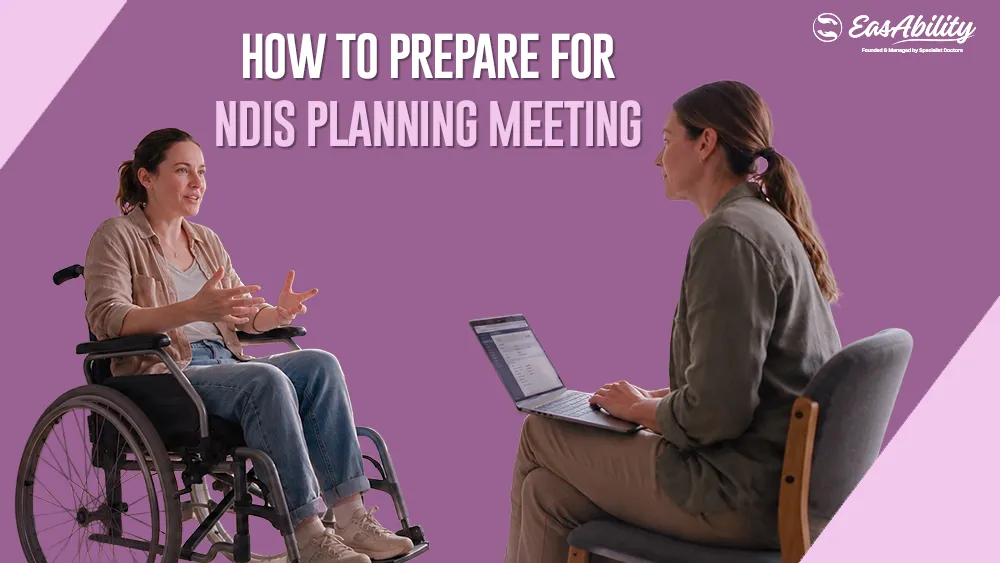
An NDIS planning meeting is a conversation between you and an NDIA planner or Local Area Coordinator (LAC) to develop or review your NDIS plan. The meeting focuses on understanding your current circumstances, your disability-related support needs, your goals, and the types of funded support that may help you achieve greater independence and participation.
If you’re new to the Scheme, your NDIS first planning meeting is where your initial plan is developed. If you’re already an NDIS participant, you may attend an NDIS plan review meeting to discuss how your current supports are working and whether your needs or goals have changed.
During an NDIS meeting, the planner will consider a range of factors, including:
- Your daily living needs
- Your current supports
- Your informal supports, such as family or carers
- Your short-term and long-term goals
- Your participation in education, employment, and community activities
- Reports and assessments from healthcare and allied health professionals
- Evidence demonstrating your functional capacity and support requirements
Every participant’s situation is unique, so no two planning meetings are the same. The discussion should reflect your individual circumstances and the support you need to pursue your goals.
Why Your NDIS Planning Meeting Matters
Your NDIS planning meeting plays a significant role in shaping the supports included in your NDIS plan.
The information you share helps the planner understand how your disability affects your everyday life and what assistance may be considered reasonable and necessary under the NDIS.
Preparing beforehand allows you to describe your needs clearly and provide supporting evidence that reflects your daily experiences. It also reduces the chance of overlooking important information during the discussion.
A well-prepared meeting can help you:
- Clearly explain your daily support needs
- Discuss your current challenges and future goals
- Identify gaps in your existing supports
- Provide relevant reports and assessments
- Ask questions about the planning process
- Better understand how your NDIS plan will support your goals
Rather than focusing only on your diagnosis, try to explain how your disability impacts everyday activities such as personal care, communication, mobility, household tasks, learning, employment, social participation, or accessing your community. These practical examples often provide a clearer picture of your support needs than simply listing medical conditions.
Who Attends an NDIS Meeting?
The people involved in an NDIS meeting may vary depending on your circumstances and the purpose of the meeting.
You (The Participant)
You are at the centre of the planning process. Your experiences, goals, preferences, and aspirations guide the discussion and help shape your plan.
An NDIA Planner or Local Area Coordinator (LAC)
The meeting is usually facilitated by an NDIA planner or a Local Area Coordinator. They will ask questions about your daily life, current supports, and future goals while helping you understand the planning process.
A Family Member or Carer
Many participants choose to bring a trusted family member, carer, or close friend. They may help explain your day-to-day support needs, remind you of important information, or provide additional examples of the challenges you experience.
A Nominee or Advocate
If you have an appointed nominee or independent advocate, they can participate in the meeting and help ensure your views and preferences are communicated effectively.
Your Support Coordinator
If you already have a Support Coordinator, they may also attend your NDIS planning meeting to provide context about your current support, discuss any challenges with your existing plan, and help prepare for future goals.
Support Coordinators can also assist you before the meeting by reviewing your current plan, identifying evidence that may strengthen your application, and helping you prepare questions to ask during the discussion.
Allied Health Professionals (Occasionally)
Although allied health professionals do not usually attend planning meetings, reports from occupational therapists, psychologists, speech pathologists, physiotherapists, or other clinicians often provide valuable evidence about your functional capacity and recommended support. These reports can play an important role in helping the planner understand your individual circumstances.
Preparing your evidence and understanding the purpose of your NDIS planning meeting before the appointment can help you feel more confident, communicate your needs more effectively, and make the discussion as productive as possible.
How to Prepare for Your NDIS Planning Meeting
A successful NDIS planning meeting begins well before the meeting itself. Taking the time to prepare can help you communicate your needs more clearly, provide stronger supporting evidence, and ensure your NDIS plan reflects your current circumstances and future goals.
Rather than trying to remember everything during the conversation, spend some time thinking about your everyday life, the challenges you face, and the supports that help you live as independently as possible.
Think About Your Goals
One of the most important parts of an NDIS plan meeting is discussing what you want to achieve.
Your goals don’t have to be life-changing. They simply need to reflect what matters to you.
For example, your goals may include:
- Becoming more independent at home
- Improving communication skills
- Increasing confidence in social situations
- Building daily living skills
- Participating in community activities
- Finding or maintaining employment
- Accessing education or vocational training
- Improving mobility or physical wellbeing
When discussing your goals, explain not only what you hope to achieve but also the supports you believe will help you work towards them.
Reflect on Your Daily Challenges
Many participants unintentionally minimise their support needs because they have adapted to living with their disability.
Before your NDIS planning meeting, think about the difficult activities, take extra time, or require assistance.
Consider areas such as:
- Personal care
- Preparing meals
- Household tasks
- Transport
- Communication
- Managing appointments
- Shopping
- Managing finances
- Participating in work or study
- Social interaction
- Emotional wellbeing
Instead of saying, “I manage,” explain how you manage and what support is required. Describing your typical day often provides a clearer understanding of your functional capacity than simply listing your diagnosis.
Gather Supporting Evidence
Supporting evidence is an important part of preparing for an NDIS meeting.
Relevant reports help explain how your disability affects your daily life and why certain supports may be beneficial.
Useful evidence may include:
- Functional capacity assessments
- Occupational therapy reports
- Physiotherapy reports
- Psychology reports
- Speech pathology assessments
- Specialist medical reports
- Behaviour support assessments
- Progress reports from current providers
Ensure your reports are current and accurately reflect your present needs wherever possible
Keep Notes Before the Meeting
Many participants think of important information after their meeting has finished.
Keeping a notebook or using your phone to record challenges over several weeks can help you remember examples that demonstrate your support needs.
You might note:
- Tasks you couldn’t complete independently
- Times you required assistance
- Community activities you missed
- Appointments you couldn’t attend without support
- Situations where fatigue, anxiety, pain, or communication difficulties affected your daily life
These real-life examples often provide valuable context during your NDIS planning meeting.
Speak With Your Current Support Team
If you work with therapists, support workers, or other healthcare professionals, ask for their input before your meeting.
They may identify goals, recommendations, or support needs that you haven’t considered.
Their reports can also provide professional evidence to support discussions about future funding.
What Documents Should You Bring to an NDIS Plan Meeting?
Arriving prepared with the right documents can make your NDIS plan meeting more productive and help ensure the planner has a clear understanding of your circumstances.
A checklist may include:
Personal Information
- Identification documents (if requested)
- Your current NDIS plan (for review meetings)
- Contact details
- Emergency contact information
Medical Evidence
Bring recent reports from relevant healthcare professionals, such as:
- General Practitioner (GP)
- Medical specialists
- Occupational therapist
- Psychologist
- Physiotherapist
- Speech pathologist
- Behaviour support practitioner
These reports should explain how your disability affects your functional capacity rather than simply confirming a diagnosis.
Therapy and Progress Reports
If you’re currently receiving supports, bring reports outlining:
- Progress towards goals
- Ongoing challenges
- Recommended supports
- Therapy outcomes
- Changes since your previous plan
Assessments
Depending on your circumstances, you may also have:
- Functional Capacity Assessment
- Assistive Technology Assessment
- Home Modification Assessment
- Positive Behaviour Support Plan
- Communication Assessment
These documents can provide detailed evidence about your support requirements.
What Should You Say During Your NDIS Planning Meeting?
Many participants worry about saying the “right” thing.
Rather than trying to give perfect answers, focus on providing an honest picture of your everyday experiences.
Explain How Your Disability Affects Daily Life
Instead of discussing only your diagnosis, describe the practical impact it has on your ability to complete everyday activities.
For example, you might explain how your disability affects:
- Getting dressed
- Preparing meals
- Cleaning your home
- Travelling independently
- Managing appointments
- Shopping
- Communicating with others
- Participating in education or employment
- Building relationships
- Accessing community activities
Specific examples help the planner better understand your support needs.
Be Honest About Your Difficult Days
It’s common for participants to focus on the days when they’re coping well.
However, your NDIS planning meeting should reflect your overall support needs, including the days when your disability has the greatest impact.
If your condition fluctuates, explain:
- How often difficult days occur
- What activities become harder
- What support you need during those periods
- Whether your condition has changed since your last plan
Providing this context gives a more accurate picture of your circumstances.
Discuss Informal Supports
Your planner may ask about support provided by family members, friends, or carers.
Be honest about the assistance they provide and whether that support is sustainable over the long term.
Many families provide significant unpaid care, and the planner must understand the extent of that support rather than assuming it will always be available.
Ask Questions
Your NDIS planning meeting is also an opportunity to understand your plan better.
Consider asking questions such as:
- How were these supports determined?
- Can my goals be updated?
- What additional evidence would strengthen future reviews?
- What happens if my circumstances change?
- How can I request a review if my support needs increase?
Asking questions helps ensure you understand the planning process and the decisions being made about your support.
Tips for Your NDIS First Planning Meeting
Attending your NDIS first planning meeting can feel like a significant milestone. For many people, it’s the first opportunity to discuss their disability-related support needs with an NDIA planner or Local Area Coordinator (LAC).
It’s natural to feel nervous, but remember that the meeting is designed to help the NDIA understand your circumstances and identify the supports that may assist you in achieving your goals.
Here are some practical tips to help you prepare.
Take Your Time Answering Questions
You don’t need to rush your responses. If you’re unsure about a question, ask the planner to explain it or take a moment to think before answering.
Providing thoughtful, accurate information is more helpful than feeling pressured to respond quickly.
Focus on Your Everyday Life
Your planner isn’t just interested in your diagnosis. They want to understand how your disability affects your daily activities and participation.
Think about:
- Getting ready in the morning
- Preparing meals
- Household tasks
- Travelling independently
- Attending work or school
- Managing appointments
- Social interactions
- Community participation
Sharing real-life examples can help explain your support needs more clearly.
Be Honest About the Support You Need
Many participants unintentionally understate the assistance they receive from family members or carers.
If someone helps you with cooking, personal care, transport, communication, or managing appointments, explain how often that support is needed and what would happen if it wasn’t available.
Being honest helps ensure your NDIS first planning meeting reflects your actual circumstances.
Don't Be Afraid to Ask Questions
Your planning meeting is a conversation, not a test.
If you’re unsure about funding categories, plan management options, or the planning process, ask for clarification.
Understanding your plan is just as important as developing it.
Preparing for an NDIS Plan Review Meeting
An NDIS plan review meeting provides an opportunity to discuss what’s working well, what has changed, and whether your current supports continue to meet your needs.
Rather than starting from scratch, review meetings build on your existing plan and consider how your circumstances have evolved.
Review Your Current Plan
Before the meeting, read through your existing NDIS plan.
Ask yourself:
- Have I achieved my goals?
- Which supports have been most helpful?
- Are there supports I rarely use?
- Have my circumstances changed?
- Do I have new goals for the coming year?
Taking notes beforehand will make it easier to discuss these points during your meeting.
Bring Updated Evidence
If your support needs have changed since your previous plan, updated reports can help explain why.
This may include:
- Recent therapy reports
- Functional capacity assessments
- Medical specialist reports
- Progress reports
- Behaviour support assessments
- Recommendations from allied health professionals
Current evidence helps the planner understand any changes to your support requirements.
Explain What's Changed
Your circumstances may have changed in many ways since your last plan.
For example:
- Your disability may have progressed.
- You may have started school, university, or employment.
- Your caring arrangements may have changed.
- You may have developed additional health needs.
- Existing supports may no longer meet your goals.
Providing practical examples helps explain why your plan may need updating.
Preparing for an NDIS Planning Meeting Autism
Every autistic person has different strengths, goals, and support needs. Preparing for an NDIS planning meeting for autism involves considering the individual’s unique circumstances rather than relying on a one-size-fits-all approach.
When preparing for the meeting, think about how autism affects everyday life across different environments, including home, school, work, and the community.
You may wish to discuss:
- Communication preferences
- Sensory sensitivities
- Emotional regulation
- Social interaction
- Daily living skills
- Learning and education
- Employment goals
- Community participation
- Building independence
If appropriate, reports from psychologists, occupational therapists, speech pathologists, teachers, or other allied health professionals can provide valuable evidence to support these discussions.
It’s also important to explain the supports that are already in place and identify any ongoing gaps that affect daily life or goal achievement.
Common Mistakes to Avoid During an NDIS Planning Meeting
Preparing well can help you avoid some of the most common mistakes participants make during an NDIS planning meeting.
Downplaying Your Support Needs
Many people are used to managing challenges every day and unintentionally minimise the support they need.
Rather than saying, “I’m fine,” explain the strategies, assistance, or adjustments that help you manage daily tasks.
Forgetting Important Evidence
Reports from healthcare and allied health professionals provide valuable information about your functional capacity and recommended support.
Bringing current evidence can strengthen your planning discussion.
Focusing Only on Your Diagnosis
The NDIS planning process focuses on how your disability affects your everyday life rather than your diagnosis alone.
Describe the practical impact your disability has on daily activities and participation.
Arriving Without Preparing Questions
Preparing a list of questions before your NDIS meeting can help you leave with a clearer understanding of your plan and the next steps.
Waiting Until the Meeting to Think About Your Goals
Taking time beforehand to consider your future goals helps ensure they are discussed during the meeting.
Your goals provide an important foundation for planning appropriate supports.
Questions to Ask During Your NDIS Meeting
Asking questions during your NDIS meeting can help you better understand the planning process and your approved supports.
Consider asking:
- How were my supports determined?
- Are my goals reflected in the plan?
- Can I update my goals in the future?
- What additional evidence would help during my next review?
- What happens if my circumstances change before my current plan ends?
- How do I request an earlier review if my support needs increase?
- Are there community supports that may complement my funded services?
- What are the next steps after today’s meeting?
Understanding these answers can help you feel more confident about using your plan effectively and preparing for future reviews.
How EasAbility Can Support You Throughout Your NDIS Journey
Preparing for an NDIS planning meeting can feel overwhelming, but you don’t have to navigate the process alone.
At EasAbility, we understand that every participant has unique goals, strengths, and support needs. Our experienced team works alongside participants, families, and carers to help them understand their NDIS plan, connect with the right services, and make the most of their funding.
Whether you’re preparing for your NDIS first planning meeting, getting ready for an NDIS plan review meeting, or need ongoing support to implement your plan, we’re here to help.
Our services include:
- Support Coordination to help you understand and implement your NDIS plan.
- Plan Implementation guidance to help you access supports with confidence.
- Assistance connecting with trusted allied health professionals and disability service providers.
- Capacity-building supports that promote greater independence and community participation.
- Ongoing guidance as your goals and support needs evolve.
Our focus is on empowering participants to make informed decisions and achieve meaningful outcomes that improve their quality of life.
Key Takeaways
Preparing for an NDIS planning meeting doesn’t have to be stressful. Spending time gathering evidence, reflecting on your daily support needs, and thinking about your goals can help you communicate your circumstances more clearly and confidently.
Remember these important points:
- Your NDIS planning meeting is your opportunity to discuss how your disability affects your everyday life and the support that may help you achieve your goals.
- Focus on describing your functional capacity rather than your diagnosis alone.
- Bring current reports and supporting evidence from healthcare and allied health professionals whenever possible.
- Be honest about the assistance you receive from family members, carers, and support workers.
- Whether you’re attending your NDIS first planning meeting or an NDIS plan review meeting, preparation can help ensure your discussion reflects your current circumstances.
- Don’t hesitate to ask questions if you’re unsure about any part of the planning process.
A well-prepared meeting helps ensure your voice is heard and provides a stronger foundation for developing a plan that reflects your individual needs and aspirations.
Frequently Asked Questions
What is an NDIS planning meeting?
An NDIS planning meeting is a discussion with an NDIA planner or Local Area Coordinator (LAC) to create or review your NDIS plan. During the meeting, you’ll talk about your goals, daily challenges, current supports, and the assistance you may need to participate more independently in everyday life.
How long does an NDIS plan meeting usually take?
Most NDIS plan meetings take between 60 and 90 minutes, although the length can vary depending on your circumstances and the complexity of your support needs.
What happens during an NDIS first planning meeting?
Your NDIS first planning meeting focuses on understanding your disability-related support needs, discussing your goals, reviewing available evidence, and gathering information that will help develop your first NDIS plan.
How should I prepare for an NDIS plan review meeting?
Before an NDIS plan review meeting, review your current plan, consider what has changed since it was approved, gather updated reports, and think about any new goals or supports that may better meet your current needs.
What documents should I bring to my NDIS meeting?
Useful documents may include therapy reports, functional capacity assessments, specialist letters, medical reports, your current NDIS plan (if applicable), progress reports, and recommendations from allied health professionals.
Can I bring someone with me to my NDIS planning meeting?
Yes. Many participants choose to bring a family member, carer, nominee, advocate, or trusted support person to help communicate their needs and provide additional information during the meeting.
How should I prepare for an NDIS planning meeting for autism?
Preparing for an NDIS planning meeting for autism involves gathering evidence about how autism affects everyday life, communication, sensory processing, learning, social participation, and independence. Reports from psychologists, occupational therapists, speech pathologists, teachers, or other professionals can help provide valuable information about support needs.
What if I disagree with my NDIS plan?
If you believe your plan doesn’t accurately reflect your needs or goals, you can discuss your concerns with the NDIA and explore the available review processes. Seeking advice from your Support Coordinator, Local Area Coordinator, advocate, or disability support provider may also help you understand your options.
Final Thoughts
Your NDIS planning meeting is an opportunity to tell your story, explain your support needs, and work towards a plan that reflects your goals and aspirations.
Whether you’re attending your NDIS first planning meeting, preparing for an NDIS plan review meeting, or supporting a family member through the process, taking the time to prepare can make a meaningful difference. Bringing relevant evidence, thinking about your everyday experiences, and discussing your goals openly can help ensure the planning conversation is centred around what matters most to you.
At EasAbility, we’re committed to helping participants navigate every stage of their NDIS journey with confidence. From understanding your plan to connecting with the right supports and preparing for future planning meetings, our experienced team is here to provide personalised guidance every step of the way.
If you’re looking for compassionate, participant-focused support, contact EasAbility to learn how we can help you make the most of your NDIS plan and achieve your goals.
EasAbility Care – General Information Disclaimer
The information provided on this page is for general informational purposes only and does not constitute professional, legal, medical, or NDIS advice. While reasonable efforts are made to ensure the accuracy of the content, EasAbility Care makes no representations or warranties regarding the completeness, reliability, or suitability of the information provided.
Please note:
- EasAbility Care provides a range of disability support services designed to assist NDIS participants in achieving their goals, increasing independence, well-being, and community participation.
- EasAbility Care offers various NDIS-related supports, and the availability of specific services may vary depending on individual circumstances, funding, and location.
- Eligibility for NDIS funding and related supports is determined solely by the National Disability Insurance Agency (NDIA) based on a participant’s individual needs, goals, and assessments.
- Access to services, funding approvals, and support arrangements may vary depending on a participant’s NDIS plan and personal circumstances.
- Users should seek independent advice from the NDIA, Support Coordinators, Support Workers, Psychiatrists, Psychologists, General Practitioners, or other qualified professionals before making decisions based on the information available on this website.
To the maximum extent permitted by law, EasAbility Care accepts no liability for any loss or damage arising from reliance on the information contained on this website. This disclaimer may be updated at any time without notice.