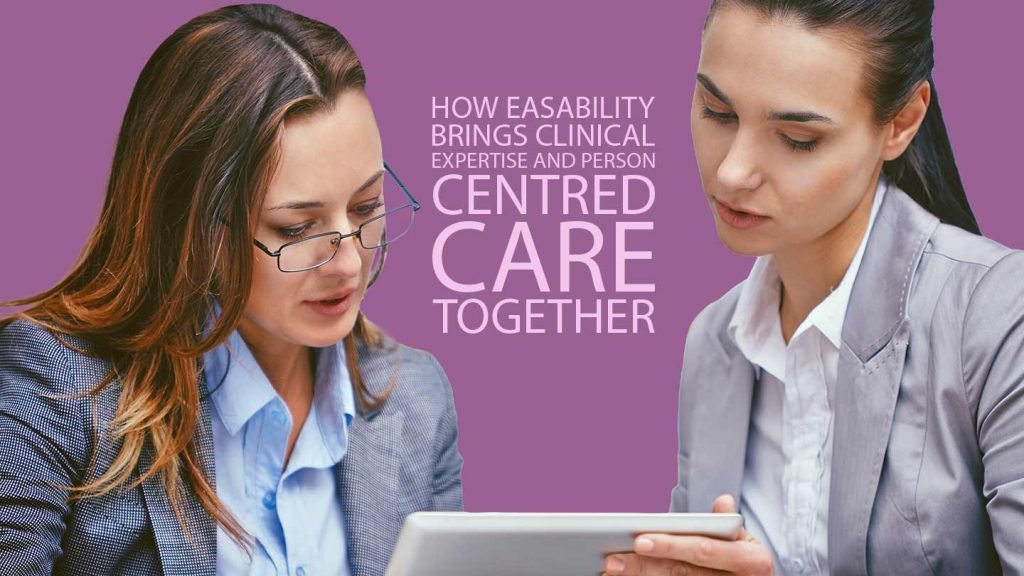
At Easability, great care begins with balance. The group uses deep clinical expertise and great respect for each individual’s goals, values and preferences. By bringing these two approaches together, Easability delivers support that stays safe and evidence-based while remaining personal, practical, and empowering in everyday life.
Instead of concentrating only on conditions, reports, or paperwork, Easability puts people first. The team listens carefully, asks the right questions, and builds care around what truly matters to each individual. This people-first mindset guides every conversation, shapes every support plan, and influences every decision.
In this way, Easability generates care that conveys a sense of being obvious/salient, supportive, and respectful. Clients have personalised support that reflects their strengths, promotes independence, and facilitates change over time.
Founded and Managed by Specialist Doctors
From the very beginning, Easability has been led by specialist doctors with decades of experience in disability and mental health support. As a result, clinical expertise is not an add-on. It sits at the core of the organisation.
As a result, care decisions are informed, considered, and grounded in real clinical experience. Clients and families can feel reassured knowing that services are guided by professionals who understand both complex health needs and the importance of long-term well-being
Personalised Support Plans That Reflect Real Lives
Clinical sense gives direction, but listening provides meaning. At Easability, the emphasis is on discovering what each individual actually needs and likes. These are the conversations that inform support plans that feel realistic and personal, not generic or rushed.
In this manner, plans of care must evolve out of one’s life and not vice versa. Each plan is as unique as the strengths and goals of individuals, supporting people to develop independence in their own time and in ways that work best for them.
A Holistic Approach to Wellbeing
Health is about more than symptoms. That is why Easability looks at the whole picture. Clinical expertise is applied across physical health, emotional well-being, daily independence, and community connection.
Easability aims to be a more balanced individual by considering all areas of life as a whole. This contributes to both better health and a greater sense of connection and satisfaction in everyday life.
Shared Decision-Making in Everyday Care
At Easability, people are not left out of decisions made on their behalf. Rather, care planning is a joint experience. We see people as the experts of their own lives, and we value their insights into what works for them.
Clinicians make options easy to understand, discussing risks and benefits clearly and openly. This helps individuals make a conscious choice that aligns with their values and preferences.
Empowering People Through Choice
Confidence builds when people take the lead in their care. Easability promotes this by honouring everyone’s ability to choose, take calculated risks and learn through doing.
This is a departure from a control-focused or paternalistic approach to care. Rather, it has to do with dignity, self-determination and even ownership of one’s own life.
Flexible Support That Adapts as Life Changes
Life rarely stays the same, and neither should care. Easability’s support model is designed to evolve as circumstances, needs, and goals change.
Over time, plans are reviewed and adjusted, and where appropriate, family members and community networks are involved. This ongoing connection helps ensure care remains relevant, supportive, and responsive, both now and into the future.
A More Human Approach to Quality Care
By blending clinical expertise with person-centred values, Easability delivers care that feels professional without feeling impersonal. The result is support that helps people live with greater confidence, independence, and purpose, while knowing they are supported by a team that genuinely understands and respects them.
FAQs
How does Easability personalise care for each individual?
First, Easability starts by listening. The team takes time to understand each person’s goals, preferences, and daily challenges. From there, specialist doctors and experienced professionals design support plans that reflect real needs and real lives. As a result, care feels relevant, practical, and genuinely personalised rather than generic or pre-set.
Why does Easability involve specialist doctors in care planning?
Because complex needs require informed decisions, Easability places specialist doctors at the centre of care planning. These professionals bring deep clinical knowledge and long-term experience in disability and mental health support. This ensures every recommendation remains safe, evidence-based, and aligned with best clinical practice, while still respecting individual choice.
How does person-centred care work in day-to-day support?
In practice, person-centred care means the individual leads the conversation. Easability professionals present options, explain outcomes clearly, and support informed decision-making. Instead of telling people what to do, the team works alongside them. This approach builds trust and helps people feel confident in the care they receive.
Does Easability only focus on medical needs?
No, Easability looks beyond medical needs alone. Clinical expertise supports physical health, while equal attention is given to emotional well-being, independence, and community participation. By addressing the whole person, Easability helps individuals build balanced lives that support both health and personal fulfilment.
How does Easability support independence and confidence?
Easability encourages people to take an active role in their care. When individuals are involved in decisions and respected for their choices, confidence grows naturally. This approach supports independence, self-esteem, and the dignity of risk-taking, allowing people to grow in a safe, supported environment.
What happens when a person’s needs or goals change?
As life changes, care adapts. Easability regularly reviews support plans and adjusts them as goals, circumstances, or priorities evolve. When appropriate, the team also works with families and community networks. This ongoing process ensures care stays relevant, responsive, and supportive over time.