Supported Independent Living (SIL) is an important part of disability support services in Australia. It is written to enable people with more support needs to live as independently as they can, and with support for daily living.
It’s important to grasp the ins and outs of SIL Funding, particularly when first-time participants and families are new to the National Disability Insurance Scheme (NDIS). Frequently asked questions include eligibility, accommodation, daily support, and funding processes.
This guide describes Supported Independent Living, how it can help, who can access it, and the types of support that may be provided under the NDIS if clinically and operationally appropriate.

What is SIL?
Funded support to live more independently is known as Supported Independent Living (SIL). SIL’s main concern is to help with daily activities and not to house itself.
Support may include:
- Personal care
- Meal preparation
- Household tasks
- Medication assistance
- Creating skills for daily living
- Overnight support (as applicable)
Most children and young people will receive SIL services in a shared accommodation setting, but may be offered support in other accommodation settings depending on their needs and circumstances.
The level of support is different for each person and depends on their professional assessment and planning through the NDIS.
Understanding SIL Funding
SIL Funding is funding provided under the NDIS to support individuals who are eligible for the NDIS and for whom day-to-day life skills require significant support from SIL Providers.
The major goal of SIL is to encourage independence, safety, and quality of life, and to build up over time, functional life skills.
Support arrangements may vary based on:
- Functional capacity
- Personal goals
- Daily support requirements
- Living arrangements
- Health and Safety; and
It is essential to know that the funds provided by SIL are not typically intended to cover living costs such as rent, groceries, or utilities.
How Does Funding Work for the SIL?
Often, families and participants ask, how does SIL funding work in the NDIS.
For most of the time, funding for SILs will be incorporated into the plan of a person funded by the NDIS, where there is evidence that they have disability-related needs that require ongoing daily support.
The process could be:
- Functional assessments
- To follow the advice from healthcare providers
- NDIS planning discussions
- Assessment of the day-to-day support needs.
- Review of accommodation and support options.
The funding will be reviewed on a case-by-case basis, and the NDIS will determine if SIL is a reasonable and necessary support, based on the participant’s situation.
Some of the support levels can be:
- Lower support needs
- Standard support
- Higher intensity support
The level of funding for support will be based on the participant’s need for help during the day and night.
| SIL Topic | Quick Information |
|---|---|
| SIL Funding | Supports daily living and independent care needs for eligible NDIS participants. |
| NDIS SIL Funding | May include personal care, household support, and skill development services. |
| SIL Funding Eligibility | Based on individual support needs and functional assessments. |
| How Does SIL Funding Work? | Funding is assessed through the NDIS planning and review process. |
| Living Options | SIL may support shared homes or individual accommodation arrangements. |
NDIS SIL Funding Explained
For any participant considering long-term support, a clear understanding of the funding for the services (NDIS SIL funding) is essential.
The NDIS usually plans for SIL for those who:
- Needs regular help and support throughout the day
- Requires assistance in self-care
- Needs supervision for safety
- Enjoy organized care settings
Not all participants will have SIL approved by the NDIS. Evidence, assessment, and personal needs are used to make decisions about funding.
Information may be provided to the planning process through support coordinators, healthcare professionals, and allied health assessments.
SIL Funding Eligibility
Questions about eligibility for SIL are widespread, as not all NDIS participants will be eligible to access SIL support.
The eligibility is normally according to:
- Disability-related support needs
- Functional impairments
- Requires ongoing support for daily living needs
- Support required, evidence-based
The NDIS can consider if:
- Informal supports are adequate
- Alternative supports are more appropriate
- SIL is deemed reasonable and necessary
Assessments are made on an individual basis, and eligibility will depend on individual circumstances.
Types of SIL Accommodation Options
SIL can take place in various accommodations, depending on the needs and preferences of participants.
Shared Living Arrangements
One of the most popular SIL arrangements is shared homes. Participants can stay in a home with others and have daily assistance from support workers.
Benefits may include:
- Social interaction
- Shared responsibilities
- The right to regular assistance
Individual Living Arrangements
SIL support can be provided for some participants while living alone, depending on their assessed support needs and their circumstances.
This can be a suitable option for people who:
- Prefer greater independence
- Ensure individual support plans are implemented
- Need specific environmental accommodations
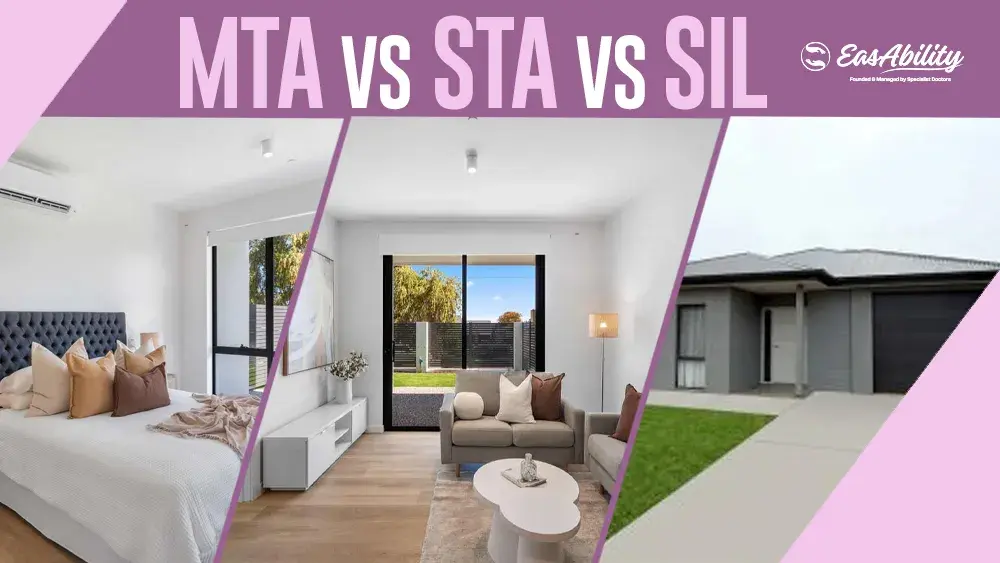
Specialist Disability Accommodation (SDA)
Specialist Disability Accommodation (SDA) is a different type of support in the NDIS to SIL (Specialist Individual Lifestyle Supports).
SDA is a residential development for individuals with severe functional impairment or high support needs. If eligible, some participants may receive both SDA and SIL supports.
Each person’s individual accommodation suitability is evaluated in the NDIS process.
Daily Support Services in SIL
Services provided with SIL can differ based on the goals and care needs of participants.
Examples of common support areas are:
- Personal hygiene assistance
- Meal preparation
- Household cleaning
- Medication reminders
- Community participation
- Developing independent living skills
- Emotional and social support is provided.
Services are planned to be inclusive and promote independence while ensuring the safety and well-being of participants.
Advantages Of SIL Funding
With a valid individual, the support of SIL funding NDIS can offer a few benefits in the long run.
The following are potential benefits:
- Greater independence
- Enhanced everyday functioning abilities
- Structured support environments
- Increased community participation
- Strengthened confidence and routine
- An opportunity for continued support as needed
This is individual to each person: support plans are developed around personal goals and needs.
Challenges Participants May Face
The processes of accessing SIL services and funding can be confusing at times.
Typical issues that can arise are:
- Understanding eligibility requirements
- Navigating NDIS documentation
- Finding suitable accommodation
- Coordinating support services
- Living together in different structures
Support coordinators and health-care practitioners can help participants to understand the options available to them and to plan for the support that is required.
Selecting the Right SIL Provider
Choosing a suitable SIL provider is a key element in the support process.
Some of the factors that participants can take into account will be:
- Staff experience
- Communication style
- Support availability
- Accommodation environment
- Participant compatibility in shared homes
- Cultural and Personal Preferences
Providers should make sure that participants are at ease expressing their support needs and their living needs before choosing their support.
How to Apply for SIL Funding
Typically, multiple professional evaluations and steps are involved in the process of applying for SIL funding.
Includes any of the following:
- Consulting with health care providers about support needs
- Completing functional assessments
- Gathering supporting documentation
- Working with support coordinators.
- Participating in NDIS planning meetings
Individual assessment of each participant by health care professionals for suitable recommendations of support.
Funding is based on the reasonable and necessary support criteria of the NDIS assessment processes.
Important Factors about SIL Funding
Before seeking out silp supports, participants and families need to be aware of the following:
- Awards are made for SIL funding on a case-by-case basis
- Approval is not guaranteed
- Support levels are subject to change.
- A variety of accommodation models may be appropriate for various requirements
- Regular plan review in progress
- Assessment is an integral part of the funding process, and so are evidence-based recommendations.
FAQs
- What is SIL funding?
SIL funding relates to NDIA-funded support to help people with a disability or delay to do things that they might do on their own if they did not have a disability or delay.
- Who can apply for funding for a SIL?
Access is determined by the individual’s disability-related support needs, functional capacity, and documented evidence of a need for ongoing support.
- What are the funding options for SIL?
The NDIS considers the needs of participants on a case-by-case basis to make a reasonable and necessary decision about SI.
- Is rent included in the 40% of the cost of SIL funding?
Typically, No-SIL funds are used to provide support services, not for living expenses (e.g., rent or food).
- Can SIL be provided in shared accommodation?
Yes. Shared living is common; support settings differ according to participant needs.
- What is the difference between SIL and SDA?
SIL is a support service, and SDA is specialist accommodation for those who have very high support needs.
- Does funding for the NDIS automatically cover the support for SLP?
No, Funding is determined through an evaluation, evidence, and individual support needs assessment.
- Will SIL be able to change over the course of time?
Yes. The support level and funding arrangements may be reviewed if the needs and situations of the participants have changed.
Conclusion
If you or your family are considering SID options, an understanding of SIL funding is a key consideration. SIL services could contribute to enhancing a person’s independence, access to daily support, and quality of life, in a safe and structured setting, if they are eligible.
All funding and support needs are individualised as each participant has individual needs. Participation in professional guidance, functional assessments, and coordination of support can assist them in understanding their choice of options and help them make informed decisions about their care and accommodation needs.
EasAbility Care – General Information Disclaimer
The information provided on this page is for general informational purposes only and does not constitute professional, legal, medical, or NDIS advice. While reasonable efforts are made to ensure the accuracy of the content, EasAbility Care makes no representations or warranties regarding the completeness, reliability, or suitability of the information provided.
Please note:
- EasAbility Care supports NDIS participants by assisting them in accessing Supported Independent Living (SIL) services and other disability-related supports.
- SIL services are designed to help eligible participants develop daily living skills and maintain greater independence within shared or individual living arrangements.
- Eligibility for SIL funding and related supports is determined solely by the National Disability Insurance Agency (NDIA) based on individual needs, goals, and assessments.
- Support availability, funding approvals, and service arrangements may vary depending on a participant’s NDIS plan and circumstances.
- Users should seek independent advice from the NDIA, Support Coordinators, Support Workers, Psychiatrists, or other qualified professionals before making decisions based on the information available on this website.
To the maximum extent permitted by law, EasAbility Care accepts no liability for any loss or damage arising from reliance on the information contained on this website. This disclaimer may be updated at any time without notice.