Choosing the right senior living option can feel overwhelming. Many older adults want to maintain their independence for as long as possible, while families want reassurance that their loved ones are safe, comfortable, and supported.
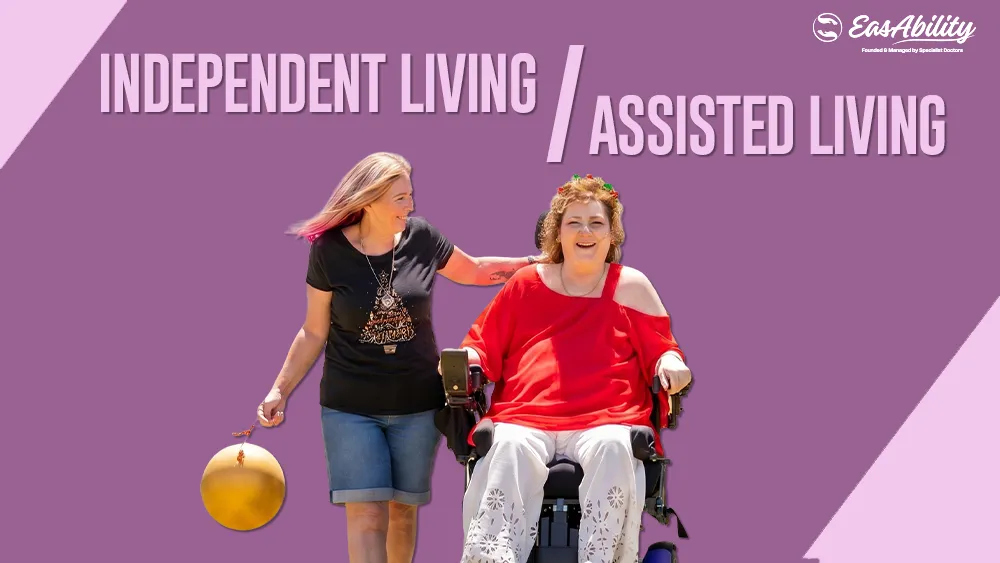
When comparing Independent Living (IL) vs Assisted Living (AL), the decision often comes down to one important question: how much support does the individual need in daily life?
The good news is that both options are designed to improve the quality of life. They provide opportunities for social connection, reduce the burden of home maintenance, and create environments where older adults can enjoy their retirement years with confidence.

However, they serve different needs. Independent living focuses on convenience, freedom, and community for active seniors, while assisted living combines independence with personalised support for everyday tasks.
Understanding the differences between these two options can help you make a confident and informed choice.
Whether you are planning for yourself, helping a parent, or exploring future care options, this guide explains everything you need to know, from costs and services to lifestyle, care levels, and signs that it may be time to consider additional support.
Why Choosing the Right Senior Living Option Matters
The place where someone lives has a major impact on their health, happiness, and overall well-being. As people age, daily responsibilities that once seemed simple can become more challenging.
Maintaining a home, preparing meals, driving, and managing healthcare appointments may gradually require more effort than before. The right living arrangement can remove many of these burdens while preserving dignity and independence.
It can also help reduce social isolation, which remains a growing concern among older Australians. Research consistently shows that strong social connections contribute to better mental health, improved cognitive function, and a higher quality of life. Families also benefit from making the right choice.
Knowing that a loved one has access to appropriate support can reduce stress and provide peace of mind. Instead of worrying about maintenance issues, missed medications, or safety concerns, families can focus on spending meaningful time together. Senior living is not a one-size-fits-all solution.
Every individual has unique needs, preferences, and health considerations. Understanding the available options is the first step toward finding the best fit.
Understanding the Different Types of Senior Living
Senior housing and care options have evolved significantly over the years. Today’s communities offer a wide range of lifestyles and services designed to meet different levels of independence and care needs.
Independent Living
Independent living communities are designed for older adults who can manage their daily lives without personal care assistance. Residents enjoy private accommodations while gaining access to community amenities, activities, and dining options, with maintenance-free living.
Assisted Living
Assisted living is intended for seniors who need help with some activities of daily living but do not require full-time nursing care. Residents maintain a high degree of independence while receiving support tailored to their individual needs.
Other Senior Living Options
| Senior Living Option | Best For |
|---|---|
| Independent living | Active seniors who need little or no daily assistance |
| Assisted living | Seniors needing help with daily tasks |
| Memory care | Individuals living with dementia or Alzheimer’s disease |
| Residential aged care | Seniors requiring ongoing nursing support |
| Retirement villages | Older adults seeking community living with minimal care |
| Home care services | Seniors wishing to remain in their own homes |
What Is Independent Living for Seniors?
Independent living is designed for older adults who remain self-sufficient but want a simpler and more convenient lifestyle. Residents typically live in private apartments, villas, townhouses, or cottages within a community designed specifically for seniors.
Unlike assisted living, independent living does not provide routine help with activities such as bathing, dressing, medication management, or mobility support. Instead, it focuses on removing the everyday hassles that can become burdensome with age.
Residents often enjoy benefits such as:
- Home maintenance services
- Landscaping and gardening
- Security features
- Social activities and events
- Fitness and wellness programs
- Optional dining services
- Transportation assistance
The biggest appeal of independent living is freedom. Residents maintain control over their schedules, routines, and lifestyle choices while enjoying the convenience of a supportive community environment.
For many older Australians, independent living offers the perfect balance between maintaining autonomy and accessing valuable services that make daily life easier.
How Independent Living Works
Independent living communities operate much like a residential neighbourhood designed specifically for seniors. Residents move into private accommodation and live independently while accessing shared amenities and services.
Communities often feature communal dining areas, fitness centres, libraries, walking paths, gardens, and activity spaces. Social events encourage residents to stay active, connected, and engaged with others who share similar interests.
Many communities offer flexible service packages. Residents may choose additional services such as housekeeping, meal plans, or transportation, depending on their preferences.
One important aspect of independent living is that residents are generally expected to manage their own healthcare needs. Medical staff are not usually available on-site around the clock. Individuals who require significant assistance with daily tasks may eventually need to consider a higher level of support.
The goal is simple: provide a maintenance-free lifestyle that allows seniors to focus on enjoying life rather than managing household responsibilities.
What Is Assisted Living?
Assisted living provides a middle ground between independent living and full residential aged care. It supports older adults who remain largely independent but require help with certain daily activities.
Residents have private living spaces while receiving personalised assistance from trained staff members. The amount of support varies based on individual needs and can often be adjusted as those needs change over time.
Assisted living aims to preserve independence wherever possible while ensuring residents receive appropriate care and supervision.
Common areas of support include:
- Bathing and personal hygiene
- Dressing and grooming
- Mobility assistance
- Medication reminders and management
- Meal support
- Health monitoring
The emphasis remains on helping residents maintain dignity, confidence, and independence while receiving practical assistance that enhances safety and well-being.
How Assisted Living Works
Assisted living communities are designed to combine comfortable housing with professional support services. Residents typically live in private or semi-private apartments within a larger community setting.
Unlike independent living, staff is available to assist residents throughout the day and often overnight. Care plans are usually developed based on each resident’s needs and reviewed regularly.
Many assisted living communities provide:
- Three daily meals
- Housekeeping services
- Laundry services
- Personal care assistance
- Medication management
- Recreational activities
- Wellness programs
The environment encourages social engagement while providing reassurance that support is readily available whenever needed.
Independent Living (IL) vs Assisted Living (AL): Key Differences at a Glance
| Feature | Independent Living | Assisted Living |
|---|---|---|
| Level of care | Minimal or none | Moderate daily support |
| Personal care assistance | Not included | Included as needed |
| Medication management | Usually not provided | Commonly provided |
| Housing | Apartments, villas, cottages | Apartments or suites |
| Meals | Optional in many communities | Usually included |
| Housekeeping | Often available | Usually included |
| Medical oversight | Limited | Regular monitoring |
| Social activities | Extensive | Extensive |
| Best for | Active, self-sufficient seniors | Seniors needing daily support |
Living Spaces and Community Design
Independent Living Homes and Apartments
Independent living communities often resemble modern residential neighbourhoods. Accommodation may include apartments, cottages, villas, or townhouses with full kitchens and spacious living areas.
Community design focuses on promoting independence and social interaction. Walking trails, clubhouses, fitness centres, gardens, and dining venues create opportunities for connection and recreation.
Many residents appreciate the ability to personalise their living spaces while enjoying the convenience of maintenance-free living.
Assisted Living Residences
Assisted living residences typically prioritise accessibility, safety, and convenience. Apartments often include emergency call systems, accessible bathrooms, and layouts designed to reduce fall risks.
While units may be smaller than those in independent living, communal areas are often larger and designed to encourage participation in activities and social programs.
The overall environment combines comfort with practical support, helping residents remain as independent as possible while ensuring help is always available.
Level of Care and Daily Support
Support Available in Independent Living
Independent living residents are expected to manage most aspects of daily life on their own. Support services focus primarily on convenience rather than personal care.
These may include:
- Property maintenance
- Transportation services
- Housekeeping options
- Recreational programs
- Community events
Residents retain complete control over their schedules and daily routines.
Support Available in Assisted Living
Assisted living provides a higher level of support. Staff assist residents with activities that may become difficult due to age, illness, or mobility challenges.
Support commonly includes:
- Bathing assistance
- Dressing support
- Medication management
- Mobility assistance
- Health monitoring
- Personal care planning
This extra help allows residents to maintain independence while reducing health and safety risks.
Does Independent Living Include Meals?
One of the most common questions families ask is, Does independent living include meals? The answer depends on the community. Some independent living communities offer meal plans as optional services, while others include certain meals within monthly fees.
Many residents continue preparing meals in their own kitchens and enjoy the flexibility this provides. In communities with dining services, residents often have access to restaurant-style dining rooms, cafés, and social meal events. These options offer convenience while encouraging social interaction.
By comparison, assisted living communities typically include three daily meals as part of the overall service package because some residents may require nutritional support or assistance during mealtimes.
When comparing communities, it is important to understand exactly what dining services are included and whether additional fees apply.
Social Life, Activities, and Community Connections
One of the greatest benefits of both independent and assisted living is the opportunity to remain socially connected.
Many seniors experience loneliness after retirement, due to the loss of a spouse or reduced mobility. Senior living communities help address this challenge by creating environments that encourage friendship, participation, and engagement.
Popular activities often include:
- Exercise classes
- Arts and crafts
- Book clubs
- Group outings
- Educational workshops
- Gardening programs
- Live entertainment
- Community celebrations
Research consistently links social engagement with improved mental health, lower rates of depression, and better overall wellbeing.
Residents often discover new hobbies, form lasting friendships, and enjoy a renewed sense of purpose through community participation.
Costs of Independent Living and Assisted Living in Australia
| Cost Factor | Independent Living | Assisted Living |
|---|---|---|
| Monthly fees | Lower | Higher |
| Personal care services | Usually not included | Included |
| Meals | Optional or partial | Commonly included |
| Housekeeping | Optional | Included |
| Medical oversight | Limited | Greater support |
| Overall cost | More affordable | Higher due to care services |
Assisted living generally costs more because it includes staffing, personal care assistance, medication support, and additional health services.
Families should request detailed pricing information and understand exactly what services are included before making a decision.
When to Move From Independent to Assisted Living
Knowing when to move from independent to assisted living can be difficult. Many families wait until a crisis occurs, but early planning often leads to smoother transitions.
Common signs include:
- Frequent falls or mobility issues
- Difficulty managing medications
- Challenges with personal hygiene
- Increased forgetfulness
- Weight loss due to poor nutrition
- Social withdrawal
- Difficulty managing household tasks
A gradual decline often happens over time, making changes difficult to recognise. Regular conversations with healthcare professionals can help families assess evolving needs and determine the most appropriate level of support.
Independent Living Facility Requirements
Understanding the requirements of independent living facilities can help families evaluate whether a community is suitable.
Requirements vary between providers but commonly include:
- Ability to live safely without daily personal care
- Capacity to manage medications independently
- Ability to respond to emergencies
- General physical and cognitive independence
Many communities conduct assessments before admission to ensure residents can thrive within the environment.
These assessments protect both residents and the community by ensuring that available services match individual needs.
Independent Living Facilities for the Disabled
While often associated with seniors, independent living facilities for the disabled also serve adults living with physical disabilities who wish to maintain autonomy.
These communities focus on accessibility and independence through features such as:
- Wheelchair-accessible accommodation
- Adaptive technologies
- Accessible transportation
- Community support services
- Employment and education assistance
The goal is to empower residents to live independently while accessing resources that support participation in everyday life.
Independent Living for Autistic Adults
Independent living for autistic adults has become an increasingly important area of support. Many autistic individuals want greater independence while still benefiting from structured environments and community resources.
Supportive living communities may provide:
- Life skills training
- Employment support
- Social development programs
- Independent housing options
- Community participation opportunities
The level of support varies depending on individual strengths and needs. The focus remains on promoting self-determination, confidence, and meaningful independence.
Questions to Ask When Touring a Senior Living Community
Before choosing a community, families should ask practical questions about services, costs, and resident experiences.
Consider asking:
- What services are included in monthly fees?
- Are meals provided?
- What activities are available?
- How are emergencies handled?
- What healthcare support is available?
- Can care levels increase over time?
- What safety features are in place?
- How often do staff interact with residents?
Visiting multiple communities and speaking with current residents can provide valuable insights.
How Families Can Make the Decision With Confidence
Choosing between independent living and assisted living is not simply about care needs. It is about lifestyle, preferences, safety, and future planning.
Families should involve older adults in every stage of the decision-making process. Open conversations often lead to better outcomes and reduce feelings of anxiety or loss of control.
Consider current needs, future health changes, budget considerations, social preferences, and proximity to family members. Consulting healthcare professionals can also provide valuable guidance.
The best choice is one that supports independence while ensuring access to appropriate care when needed.
Conclusion
Both independent living and assisted living offer valuable benefits, but they serve different purposes. Independent living is ideal for active older adults who want a maintenance-free lifestyle and vibrant community connections without personal care assistance.
Assisted living provides additional support for those who need help with daily activities while preserving as much independence as possible. The right choice depends on individual circumstances, health needs, lifestyle preferences, and future planning goals.
By understanding the differences between these options, families can make informed decisions that enhance safety, comfort, and quality of life for years to come.
EasAbility Care – General Information Disclaimer
The information provided on this page is for general informational purposes only and does not constitute professional, legal, or NDIS advice. While reasonable efforts are made to ensure accuracy, EasAbility Care makes no representations or warranties regarding the completeness, reliability, or suitability of the information.
Please note:
- EasAbility Care supports NDIS participants by assisting them to explore suitable accommodation options and other disability supports.
- EasAbility Care provides SIL services, community participation, and other NDIS-related supports.
- EasAbility Care may not own, manage, or directly provide Specialist Disability Accommodation (SDA) housing and usually works with registered SDA providers to help identify appropriate options.
- Eligibility for SDA and related supports is determined solely by the National Disability Insurance Agency (NDIA).
- Users should seek independent advice from the NDIA, Support Coordinators, or other qualified professionals before making decisions based on this information.
To the maximum extent permitted by law, EasAbility Care accepts no liability for any loss or damage arising from reliance on the information contained on this website. This disclaimer may be updated at any time without notice.